As part of its expanding work beyond the Eastern Mediterranean Region, EMPHNET has implemented a project in Kyrgyzstan to strengthen biosafety and biosecurity practices in public and private laboratories across the country.
The project aims to build a sustainable national system that enhances safe handling of infectious agents and prevents unauthorized access to dual-use biological materials.
In collaboration with the Kyrgyz Ministry of Health, the Ministry of Education and Science, the Kyrgyz National Academy of Science, and the International Science and Technology Center (ISTC), EMPHNET worked to establish a foundation for long-term capacity building. The project followed a three-phase approach:
- Laying the groundwork through coordination meetings with ministries, academic institutions, and partners to ensure alignment and effective communication.
- Developing a national training curriculum tailored to Kyrgyzstan’s biosafety and biosecurity needs.
- Building a cadre of national trainers by conducting workshops for bioscience researchers and health professionals from laboratories operating at both national and subnational levels.
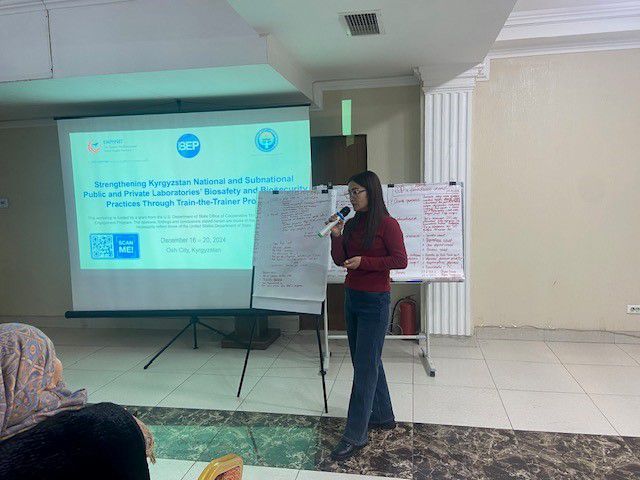
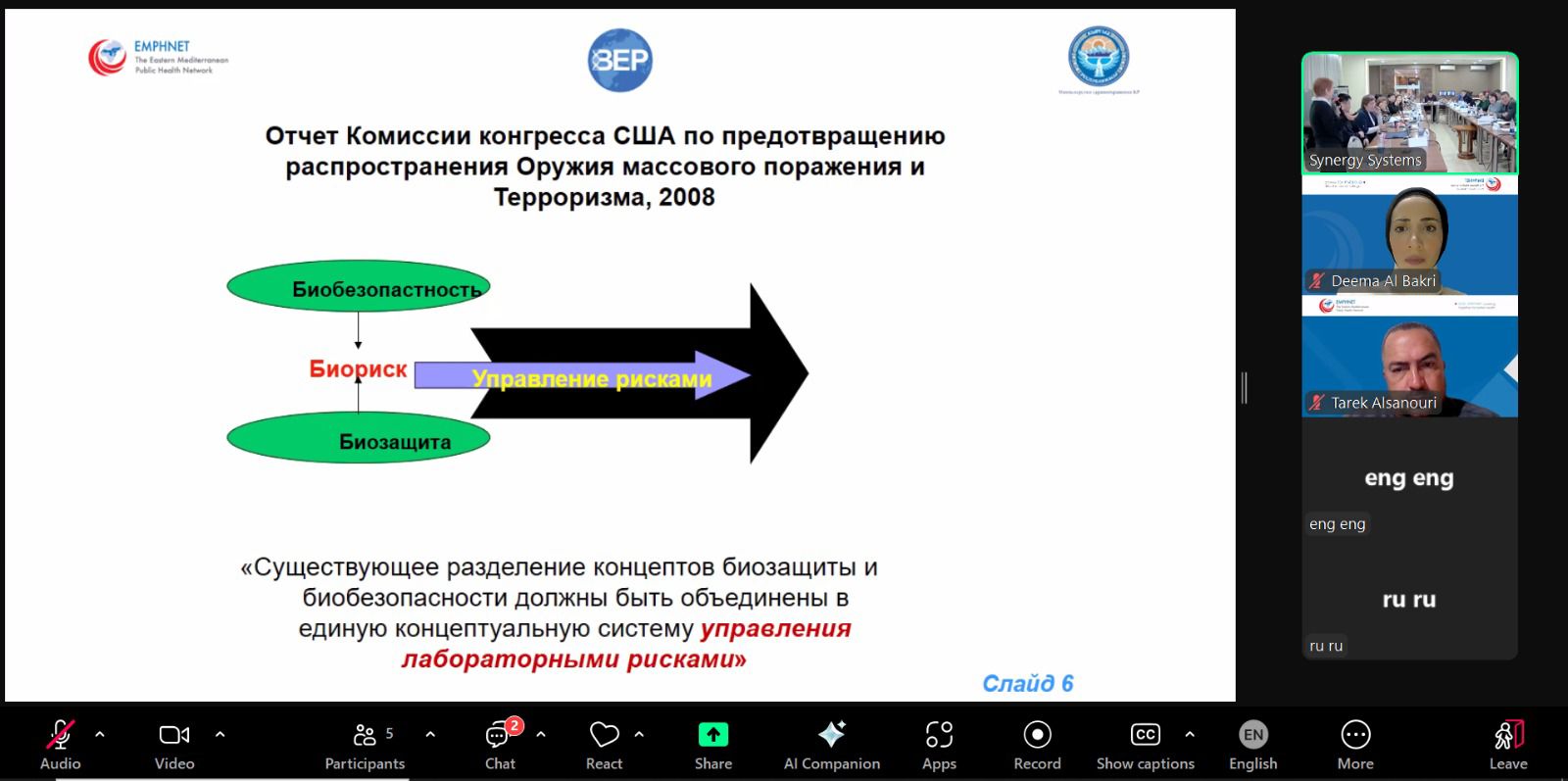
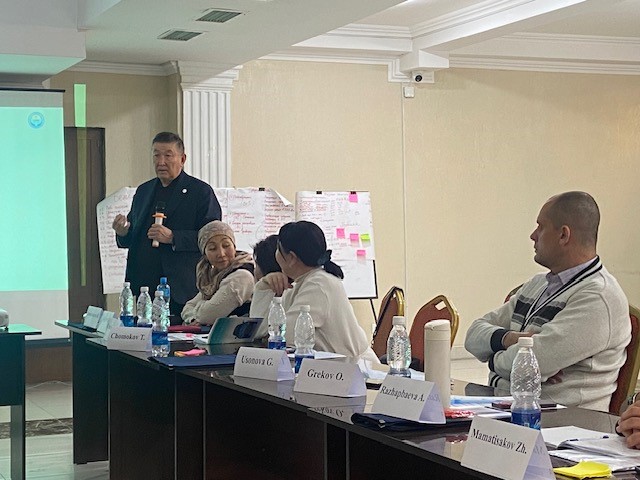
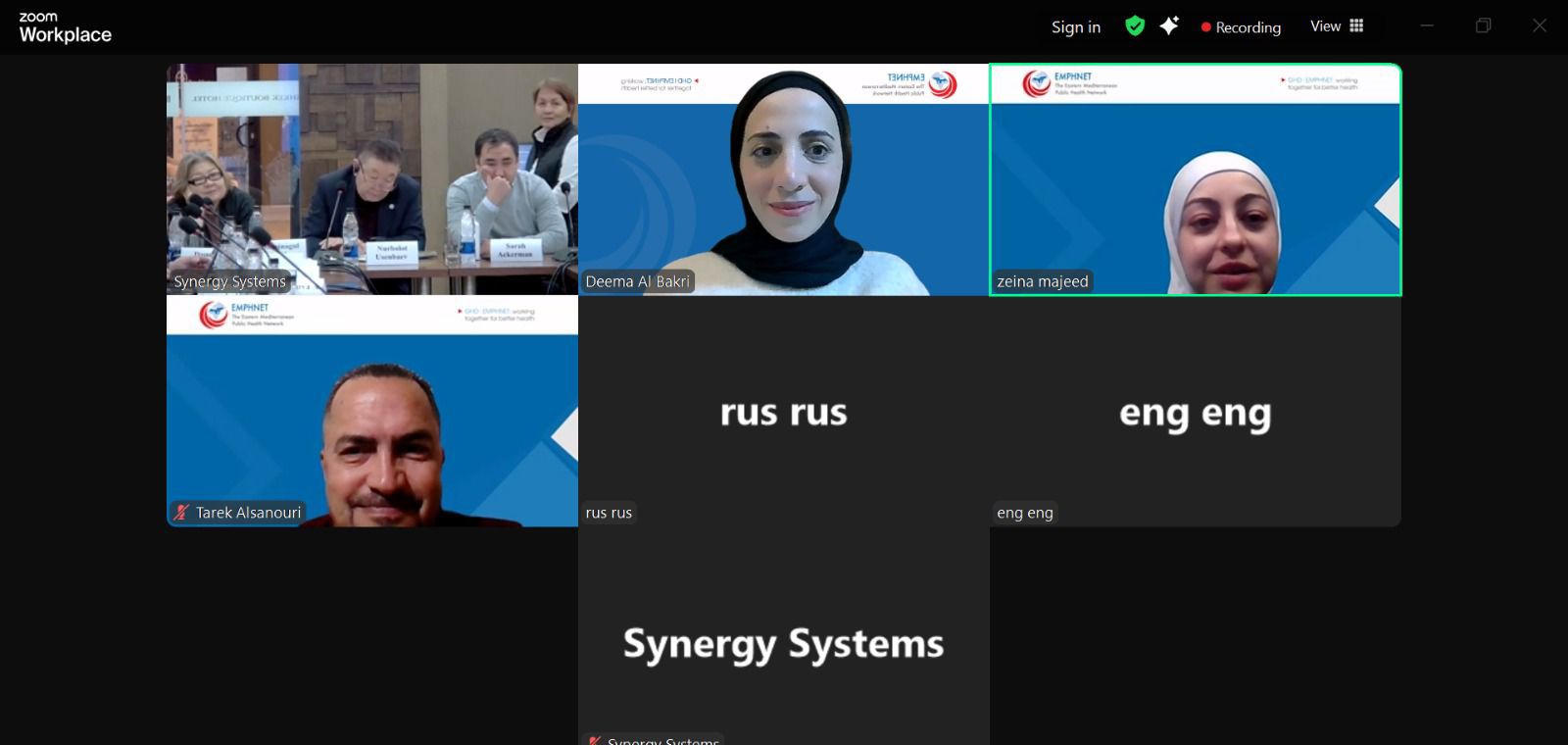
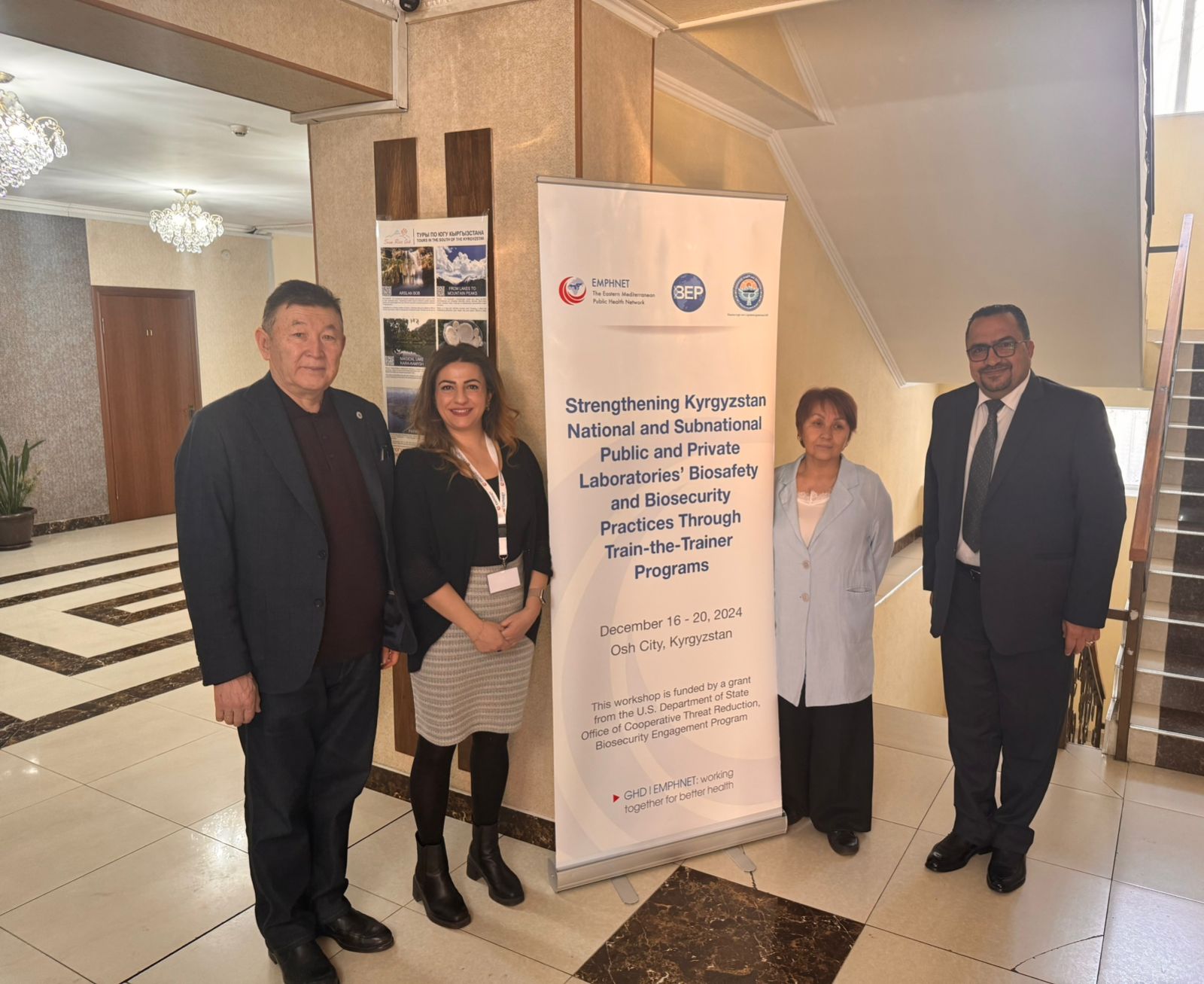
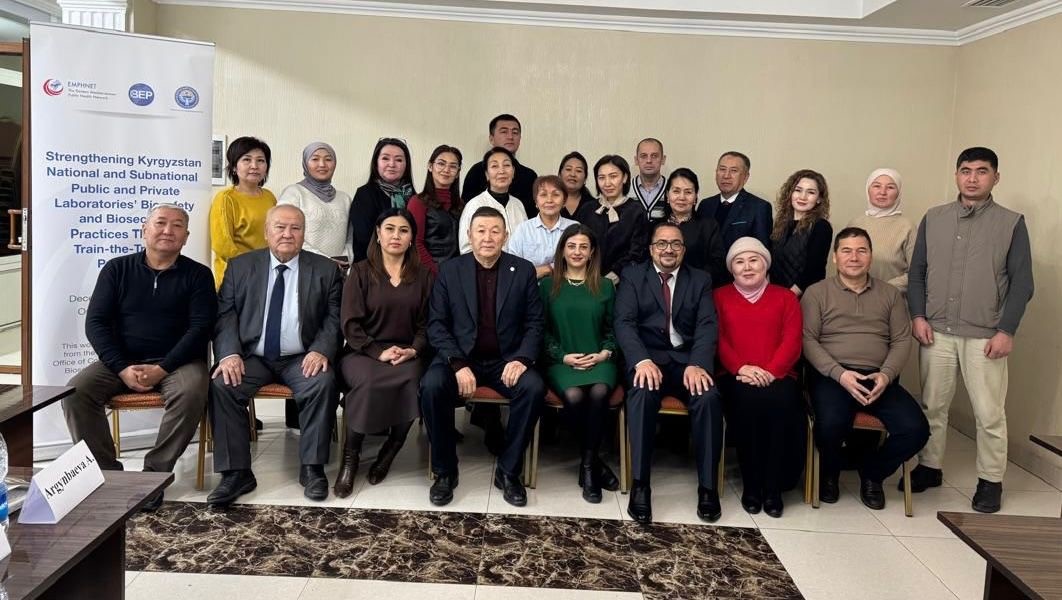
In December of 2024, EMPHNET, in collaboration with the National Public Health Institute of the Ministry of Health and ISTC, conducted two Train-the-Trainer (TTT) workshops, one in Bishkek and the other in Osh. The workshops aimed to enhance biosafety and biosecurity practices and were attended by 41 Kyrgyz participants, 21 in Bishkek and 20 in Osh, representing public and private laboratories.
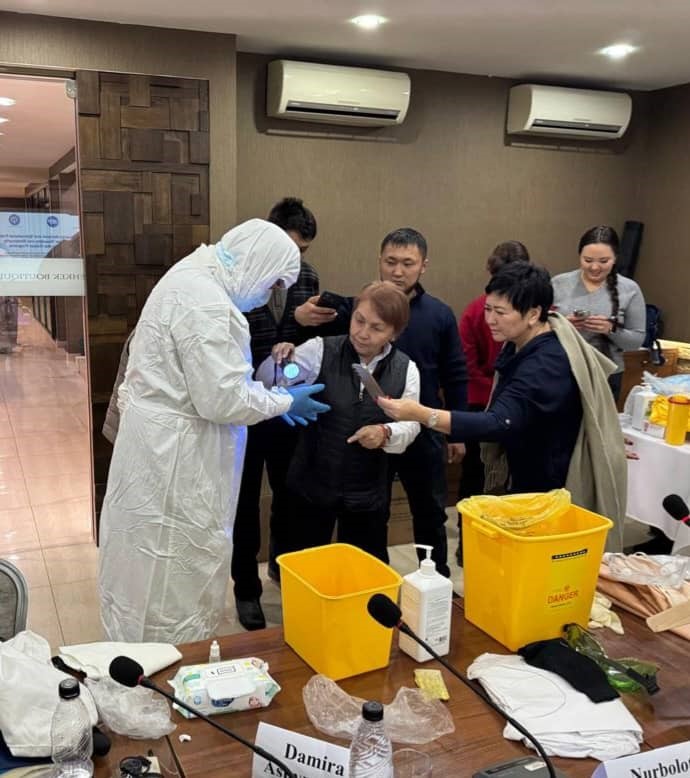
The sessions covered essential topics, including biosafety principles, Personal Protective Equipment (PPE) usage, waste management, biological risk assessment, and the safe handling and transportation of hazardous biological materials. Representatives from WHO, USAID, ISTC, and CTR also participated in the sessions.
These workshops provided participants with the best practices and practical tools to implement and disseminate biosafety and biosecurity, contributing to Krygstan’s efforts to establish a sustainable national training system.
By supporting Kyrgyzstan’s efforts to strengthen biosafety and biosecurity practices, this project contributes to improving laboratory safety and protecting against biological risks, reinforcing EMPHNET’s commitment to advancing public health security beyond the region.